A/B Testing Strategies for Interactive AMP Emails: How to Increase Engagement and Conversion Rates
Tanmay Kejriwal
Co-Founder & CTO
Interactive AMP emails are transforming the landscape of email marketing by allowing users to interact directly within their inboxes. For e-commerce businesses and email marketers, optimizing these emails for engagement and conversion is crucial. A/B testing provides a data-driven approach to refining interactive AMP emails. This blog post explores effective A/B testing strategies that can significantly increase engagement and conversion rates.
Understanding AMP Emails
Accelerated Mobile Pages (AMP) for Email is a technology that brings the power of dynamic, web-like experiences directly to email. Unlike traditional emails that require redirection to a browser for interaction, AMP emails allow users to complete actions like filling out forms, RSVPing to events, or browsing products without leaving their inbox. This capability not only enhances user experience but also drives higher engagement and conversion rates.
Why A/B Testing is Essential for AMP Emails
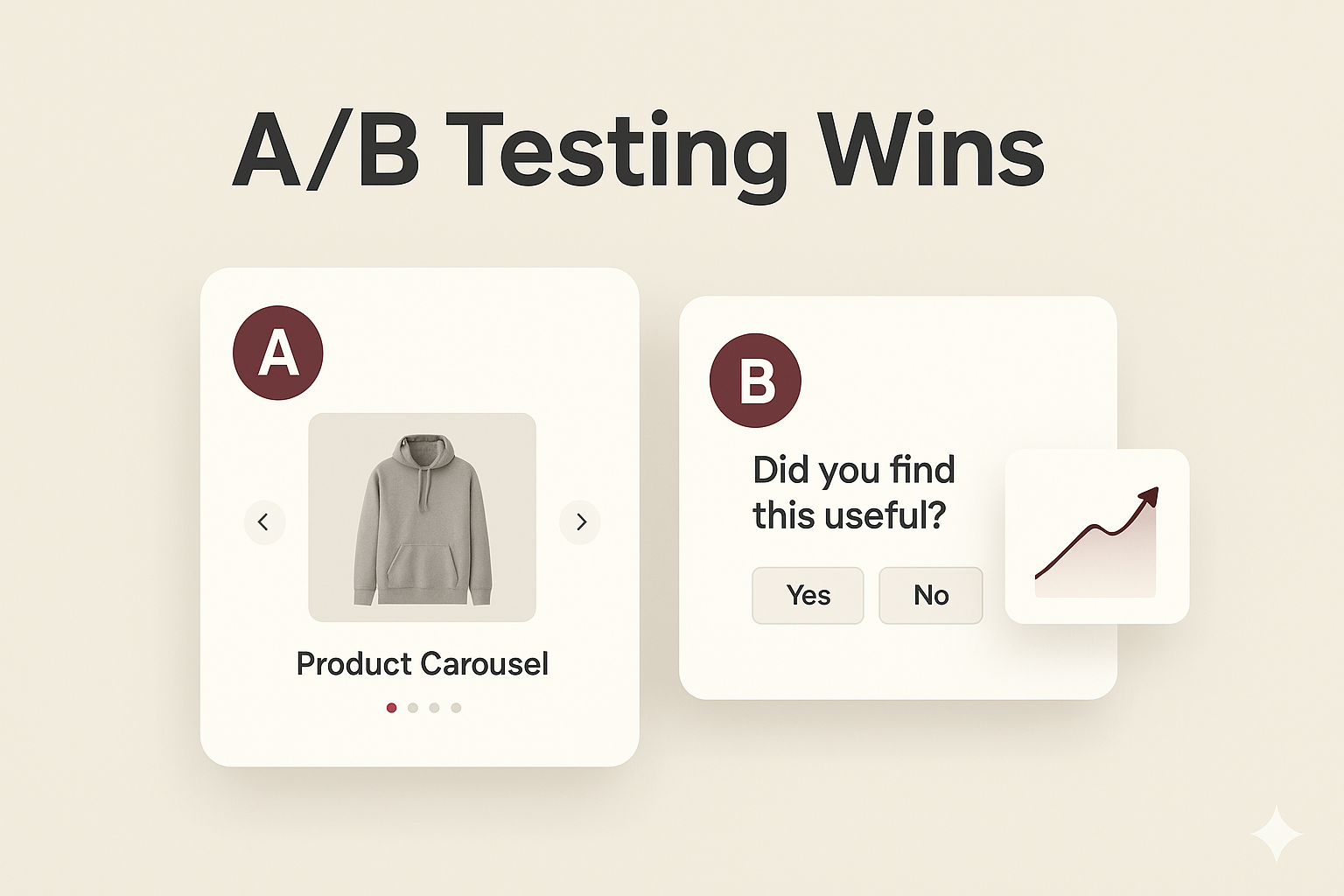
A/B testing, also known as split testing, involves sending two variants (A and B) of an email to small segments of your audience to determine which performs better. This methodology is invaluable for AMP emails because:
1. User Interaction: AMP emails are interactive, and understanding how users engage with these elements can inform future design and content decisions. 2. Conversion Optimization: Testing different interactive elements can highlight what drives conversions, helping to refine call-to-action (CTA) placements and design. 3. Data-Driven Decisions: A/B testing provides empirical data, allowing marketers to make informed decisions rather than relying on assumptions.
Key A/B Testing Strategies for AMP Emails
1. Test Interactive Elements
The primary advantage of AMP emails is their interactivity. Focus your A/B tests on elements like:
- Carousels: Experiment with different carousel styles and placements to see what captures user attention.
- Forms: Test simplified vs. detailed forms to find the balance between user convenience and information collection.
- Accordions: Use accordions for compact information delivery and test different content structures.
2. Optimize Call-to-Actions (CTAs)
CTAs are crucial for driving conversions. With AMP's interactive nature, CTAs can take various forms:
- Button Design: Experiment with color, size, and text to see what prompts the most clicks.
- Placement: Test different positions within the email to determine where users are most likely to engage.
- Interactivity: Leverage AMP’s dynamic capabilities to make CTAs more engaging, such as changing text or color upon hover.
3. Personalization and Dynamic Content
AMP emails can dynamically update content based on user data or behavior:
- Product Recommendations: Test different algorithms or logic for personalized product suggestions.
- Content Variability: Use A/B tests to determine which type of content (text, images, videos) resonates most with your audience.
4. Subject Lines and Preheader Text
The entry point to any email is the subject line and preheader text. While these elements are not AMP-specific, they significantly impact open rates:
- Emotion vs. Information: Test emotional triggers against information-rich lines to see what prompts more opens.
- Length and Tone: Experiment with different lengths and tones to match your audience's preferences.
5. Engagement Metrics
Identify which metrics are most indicative of success for your AMP emails. Common metrics include:
- Click-Through Rate (CTR): Measures the effectiveness of your CTAs and interactive elements.
- Conversion Rate: Tracks how many users complete the desired action within the email.
- Engagement Time: Monitors how long users interact with your email, providing insights into engagement levels.
Practical Tips for Successful A/B Testing
1. Start Small: Begin with simple tests to understand the basics before moving on to more complex scenarios. 2. Consistency is Key: Ensure that each test runs long enough to gather statistically significant data. 3. Analyze Results Thoroughly: Look beyond surface-level data to understand user behavior patterns and preferences. 4. Iterate and Improve: Use insights to continuously improve your AMP email strategy.
Use Case: E-commerce Product Launch
Imagine an e-commerce business launching a new product. Using AMP emails, they can create an interactive experience where users can view product images, watch demo videos, and add items to their cart directly from the email. By A/B testing different elements (e.g., video placement, CTA wording), the business can identify the most effective strategies for maximizing engagement and conversions.
Taplo: Your Partner in Interactive Email Creation
For those looking to streamline the creation of engaging AMP emails, Taplo offers a comprehensive solution. With intuitive tools for designing interactive emails and robust analytics for monitoring performance, Taplo can enhance your A/B testing efforts and help you achieve better results.
Conclusion
Implementing effective A/B testing strategies is essential for optimizing interactive AMP emails. By focusing on interactive elements, CTAs, personalization, and key engagement metrics, you can significantly boost both engagement and conversion rates. Remember, the key to success lies in continuous experimentation and iteration. Embrace the power of AMP and A/B testing to transform your email marketing strategy and deliver unparalleled user experiences.